Documentary vs Traditional Wedding Photography
There are a lot of words floating around the wedding photography world these days.
Documentary. Candid. Natural. Reportage.
They're useful words. But like most things that get repeated often enough, they've started to lose a little of their meaning.
"Documentary wedding photography" in particular seems to have become something of a catch-all. Sometimes it means a genuinely documentary approach to photographing a wedding. Sometimes it means a photographer who takes a few candid photographs between the posed ones.
For me, there's a fairly important difference.
So, what is documentary wedding photography?
Traditional wedding photography generally asks you to stop what you're doing and make a photograph.
Stand here. Look at me. Put your hand there. Everyone smile.
There's nothing wrong with that. Some of those photographs are important. I still make portraits. I still photograph families. I still believe there is something wonderful about a beautifully thought about and made photograph of two people who have just decided to spend the rest of their lives together.
But documentary photography starts somewhere else.
It starts with watching.
Rather than constantly arranging the day around the camera, I try to let the camera find the day.
The nervous hands before the ceremony.
The Bride's Father covert attempt to wipe a tear away.
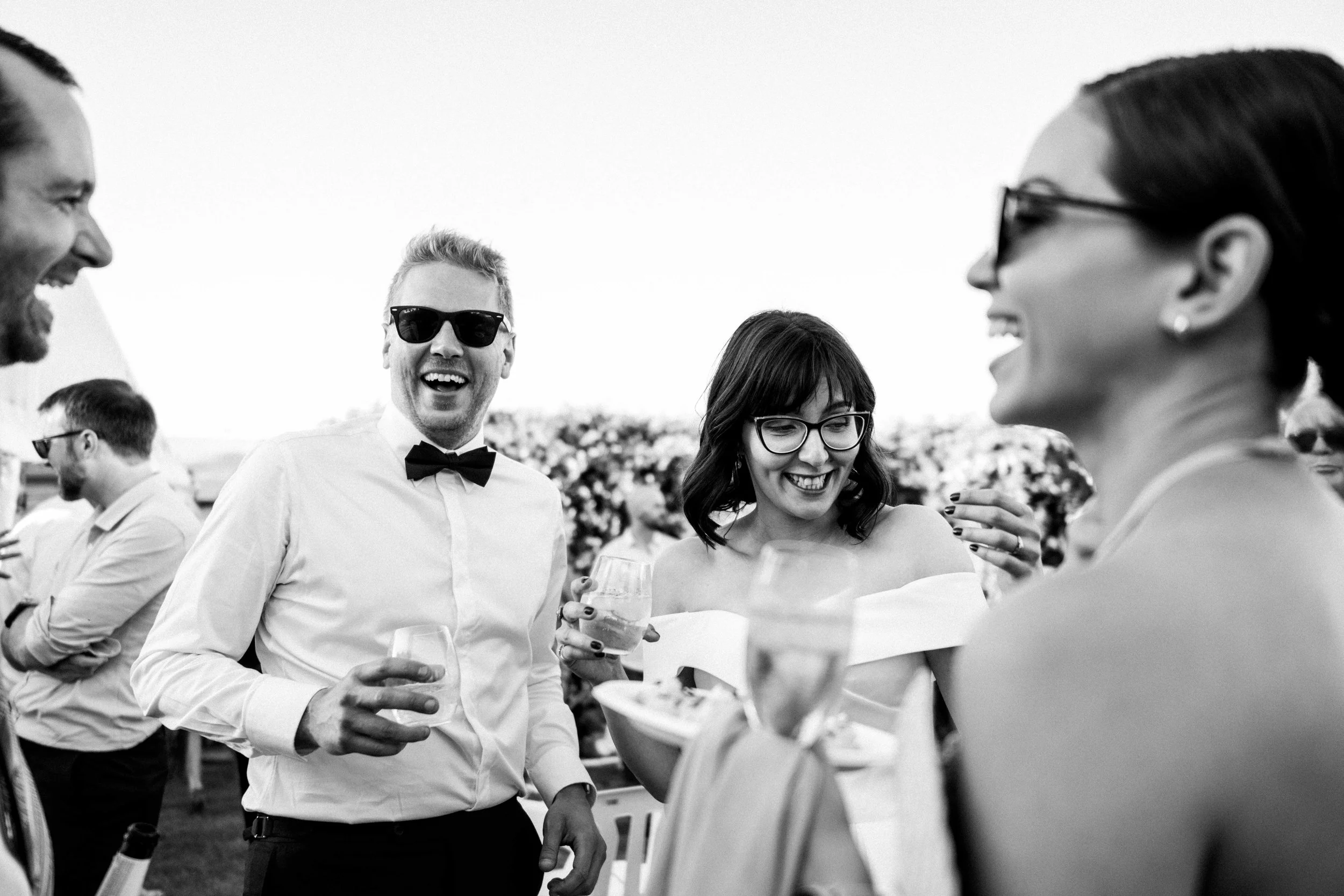
The friend who has had three drinks too many and has suddenly decided to gift the recpetion with a dance performance.
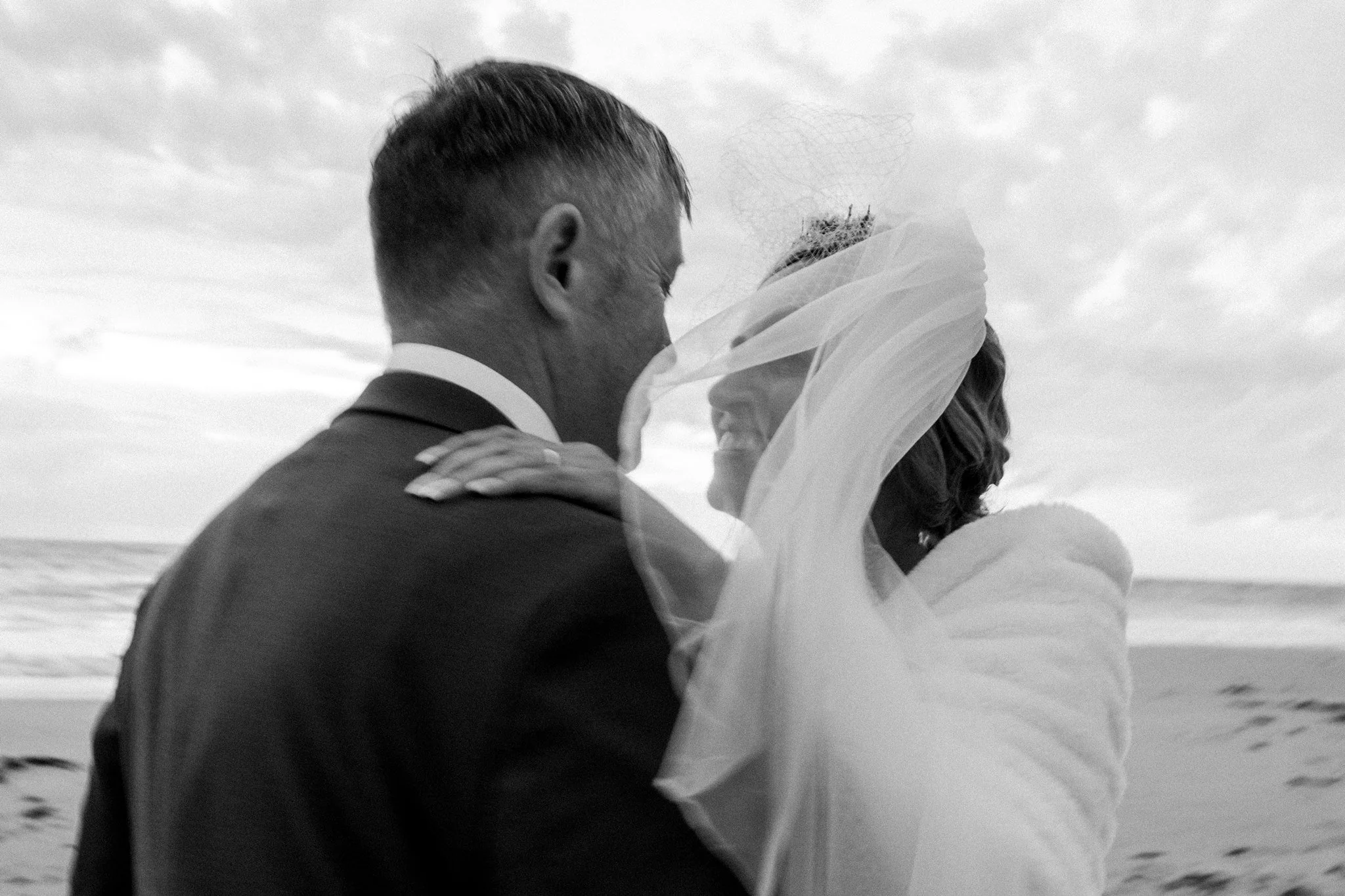
The way you look at each other when you've forgotten I'm there.
That's the stuff I'm interested in. Because it's real. Because it's how I have always photographed.
The word "documentary" gets thrown around a lot
This is probably where I should make a confession.
I get slightly irritated by the word "documentary" being used as a marketing term when there's not necessarily much documentary thinking behind it.
Documentary photography is a mindset and it isn't something I discovered when I started photographing weddings, it's where I came from.
I've spent years making documentary work outside of weddings, and I continue to pursue documentary projects now. Photographing people and places without controlling what happens has shaped almost everything I understand about photography.
You learn to wait.
You learn to anticipate.
You learn that the best photograph is often happening somewhere other than where everyone else is looking.
And you learn that people are generally far more interesting when you stop asking them to perform.
That's the philosophy I bring to weddings.
So for me, documentary isn't simply a photograph where nobody is looking at the camera.
It's a way of approaching the story in front of you.
But does that mean you won't be posed?
No.
And this is where I think the whole documentary versus traditional argument can become a little silly.
I don't want to spend your wedding day giving you instructions.
But I also don't want to throw you into a patch of sunlight and say, "Okay, be natural."
Nobody has ever been less natural than someone who has just been told to be natural.
If I see beautiful light, I'll use it.
If I think moving you ten metres will make a much better photograph, I'll tell you.
If you need a little direction, I'll give you some.
But there's a difference between directing a photograph and manufacturing a moment.
That's a distinction I care about.
I want to make beautiful portraits of you. I just don't think you need to spend twenty minutes pretending to laugh at something that isn't funny to get there.
Especially if you're camera shy
This is probably one of the biggest advantages of my approach.
I hear it all the time.
"We're terrible in photos."
"We hate having our picture taken."
"We're going to be so awkward."
Good.
You're going to be fine.
You don't need to know how to pose. You don't need to know what to do with your hands. You don't need to become a professional model for the weekend.
That's my job. I pride myself on it.
For most of the day, you can forget I'm there.
Go and talk to your friends. Hug your mum. Have a drink. Cry during the ceremony. Laugh at something stupid. Dance badly. Be yourself.
When I see an opportunity to make a great portrait, I'll step in, gently.
I'll give you enough direction to make sure the photograph works, without making you feel like you've suddenly wandered onto a fashion shoot.
You can feel completely safe knowing that I'm not going to leave you standing there wondering what you're supposed to do.
I'll know when to step back just as much as I'll know when to step in.
Your wedding isn't a photoshoot
I think that's really what this comes down to.
You've probably spent months organising your wedding. There are flowers to choose, meals to taste, music to argue about and seating charts that somehow become matters of international diplomacy.
The last thing you need is to spend the day performing for a photographer.
Your wedding already contains everything I need.
The people you love.
The nerves.
The chaos.
The quiet moments.
The ridiculous moments.
The unexpected moments.
The beautiful ones.
My job is to notice them.
So yes, I'll make portraits.
I'll photograph your family.
I'll give you some direction when it's needed.
But I'll also spend a lot of the day standing back and letting things happen.
Because I don't want to photograph a version of your wedding that was created for the camera.
I want to photograph the one that actually happened.
And if you're a little camera shy?
Even better.
You don't need to know how to do this.
I've got you.